


Milestones & Mindsets: A Parent’s Guide to Ages 5–11
- Turning Scholars Into Leaders
- Jun 5, 2024
- 3 min read

Updated: Oct 12, 2025
Understanding the Challenge
Raising children is a journey of milestones; some predictable, some surprising. Concentration, self-control, and social savvy are skills that grow over time, shaped by temperament, environment, and experience. Distraction, dips in motivation, or lagging skills may reflect normal development, or, at times, underlying needs (e.g., ADHD, learning differences). Either way, patience + structure + connection go a long way.

Physical Development Milestones
Ages 5-7
Gross Motor: Coordination and balance improve: running, hopping, skipping, biking, and ball play become more controlled.
Try: tag, beginner dance, scooter/bike practice.
Fine Motor: Better hand-eye control: letter formation, scissor use, simple crafts, small blocks, and early puzzles.
Try: art trays, bead threading, sticker mosaics.
Ages 8-11
Gross Motor: Strength and agility rise: organized sports, complex games, choreography, and strategy in play.
Try: team sports, swimming, martial arts.
Fine Motor: Fluent writing: knot-tying, sewing, instruments, and model building.
Try: origami, simple sewing kits, keyboard/piano practice.
Cognitive Development Milestones
Ages 5-7
Concrete Logic: Understands time, order, conservation; expands vocabulary; early math concepts.
Try: board games with rules, simple science experiments.
Attention: Growing focus, still distractible.
Try: quiet homework nook, short work intervals, minimal screens.
Ages 8-11
Abstract/Logical Growth: Fractions, multiplication, multi-step problem-solving, and early abstraction.
Try: chess, coding puzzles, real-world math (recipes, maps).
Memory: Stronger recall of directions/stories; better study stamina.
Try: flashcards, mind maps, teach-back routines.
Emotional Development Milestones
Ages 5-7
Self-Regulation (emerging): Can use words more often than meltdowns; needs co-regulation.Try: calm-down corner, breathing visuals, feelings check-ins.
Empathy (early): Recognizes feelings; needs scripts for responding.
Try: books about emotions, simple role-plays.
Ages 8-11
Emotional Insight: Names feelings accurately; handles social nuance with coaching.
Try: problem-solving steps, perspective-taking prompts.
Self-Esteem: Stabilizing sense of self; school, sports, and friendship outcomes matter.
Try: realistic goals, process praise, and reframing setbacks.
Social Development Milestones
Ages 5-7
Cooperation & Play: Turn-taking, sharing, simple teamwork; “fairness” is often black-and-white.
Try: playdates, cooperative games, and class jobs.
Rules & Routines: Understands rules; loves clear boundaries.
Try: family rules co-created and posted.
Ages 8-11
Friendships: Deeper, trust-based relationships; shared interests drive belonging.
Try: clubs, interest groups, service projects.
Group Dynamics: Navigates hierarchies; peer approval grows.
Try: scripts for peer pressure; values-based decision practice.
Why Delays Happen (and What Helps)
Genetics/Neurodevelopment: ASD, ADHD, learning disabilities.
Support: early screening, pediatric consultation, and school services.
Environment: Low stimulation, trauma, inconsistent caregiving.
Support: predictable routines, safe/attuned relationships, counseling as needed.
Health: Chronic illness, malnutrition, sensory impairments.
Support: coordinated care, nutrition, OT/PT/speech therapy.
Psychosocial: Family stress, caregiver mental health, economic hardship.
Support: community resources, caregiver support, stable routines.
How PBIS, Love & Logic, and TBRI Work at Home
PBIS (Positive Behavioral Interventions & Supports)
Make expectations visible, teach them explicitly, and reinforce what you want to see.
Post 3-5 family expectations (e.g., Be Safe, Be Kind, Be Responsible).
Pre-correct before tough moments; acknowledge success specifically.
Love & Logic
Lead with empathy, give choices within limits, use logical consequences, not lectures.
“I’m sorry, that’s hard. Would you like to start homework now or after a 10-minute break?”
If a toy is broken by rough play, help fix it or earn to replace it.
TBRI (Trust-Based Relational Intervention)
Balance Connecting, Empowering, and Correcting principles.
Connect: eye level, warm tone, playful engagement.
Empower: hydration, snacks, movement, sensory tools, sleep.
Correct: short, coached practice of the right behavior.
7 Practical Tips for Parents
Create Predictable Routines: Anchor the day (wake, meals, homework, play, wind-down). Post a simple visual schedule.
Use Clear, Enforceable Language: Say what you can control: “You can use the tablet after your reading time.”
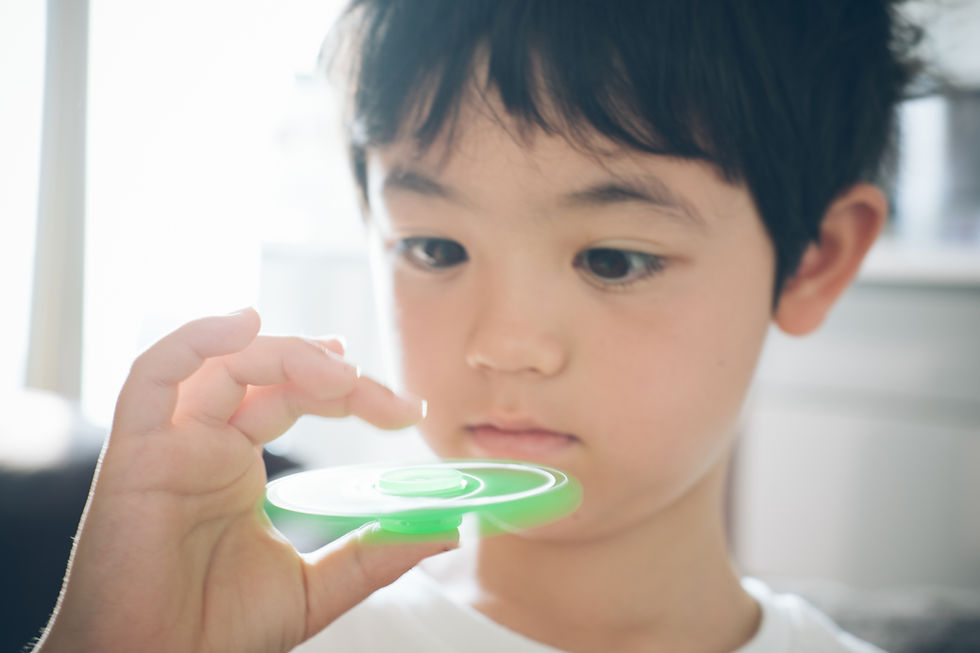
Build Sensory-Smart Spaces: Quiet nook, clutter-light desk, fidget allowed, soft lighting; add movement breaks every 25-30 minutes.
Coach Attention, Don’t Just Demand It: Define attention with a visual (“Eyes, Ears, Brain”). Rehearse before high-focus tasks.
Lead with Empathy, Then Offer Choices: “I see focusing is tough right now. Want to start with math or reading?”
Praise the Process: Catch effort and strategy: “You stuck with that puzzle even when it was tricky, great perseverance.”
Reflect on Natural Consequences: Guide insight: “What might help tomorrow’s lesson feel easier?” Plan a small next step together.
Conclusion
Every child’s path is unique. When families combine structure (PBIS), shared control and empathy (Love & Logic), and relationship-first coaching (TBRI), children build the self-control, curiosity, and confidence they need to thrive at home, at school, and beyond.
Written by Derek Setser, educator and founder of Turning Scholars Into Leaders. Explore related posts on Love and Logic Parenting and Parent-Child Interaction Therapy (PCIT).
Comments